 |
| 7th Generation Trip |
Wednesday, March 14, 2007

Tuesday, March 13, 2007

Sunday, March 11, 2007

Friday, March 09, 2007
Thursday, March 08, 2007
.jpg)
.jpg)
.jpg)
.jpg) Last night 4 Thai guys went to Oishi, the best Japanese restaurant in Boston according to P'A's opinion. We were so lucky that we did not have to wait. Typically, it would take approx. 30 min. - 1 hr. to be seated. We made a consensus to try Chef's Selection menu (i can't remember how it is called in Japanese), as shown in pictures. Everyone was so ecstatic and enjoyed eating this menu but we all were a bit shocked when we saw the bill ...... T_T
Last night 4 Thai guys went to Oishi, the best Japanese restaurant in Boston according to P'A's opinion. We were so lucky that we did not have to wait. Typically, it would take approx. 30 min. - 1 hr. to be seated. We made a consensus to try Chef's Selection menu (i can't remember how it is called in Japanese), as shown in pictures. Everyone was so ecstatic and enjoyed eating this menu but we all were a bit shocked when we saw the bill ...... T_T
Tuesday, March 06, 2007
Just finished Aibo case for Marketing Management. It's interesting that people become more and more lonely that they have to find a robot like Aibo to be their companion. Aibo provides love and healing for those lonely people (some are not lonely but technology-savvy) whenever they want. Unfortunately, Sony already shut down its production line for Aibo due to company's financial problem.
ผูกพัน - ตรัย ภูมิรัตน์
This amateur MV works well in depicting loneliness (especially of people in the big city). Huhr .. i miss Bangkok.
ผูกพัน - ตรัย ภูมิรัตน์
This amateur MV works well in depicting loneliness (especially of people in the big city). Huhr .. i miss Bangkok.
Monday, March 05, 2007
Sunday, March 04, 2007

Monday, February 26, 2007

Thursday, February 22, 2007
Sunday, February 18, 2007

Thursday, February 15, 2007
Pricing Cues
Eric Anderson (visiting assistant professor ของ Kellogg) และ Duncan Simester (associate professor ของ MIT) เขียนบทความชื่อว่า Mind Your Pricing Cues ลงใน Harvard Business Review เมื่อปี 2003 ทั้งสองคนได้ตั้งข้อสังเกตไว้ว่าผู้บริโภคส่วนใหญ่ไม่ได้รู้จริงๆ หรอกว่าของที่กำลังซื้ออยู่นั้นมันถูกหรือแพง ส่วนใหญ่แล้วผู้บริโภคมักจะติดกับของผู้ขายที่ใช้ pricing cues หลอกล่อ ตอนนี้หลายคนอาจสงสัยว่า pricing cues คืออะไร บอกได้เลยว่าทุกคนล้วนเคยผ่านหูผ่านตามาแล้วทั้งนั้น
Sale .. Sale .. Sale
Cue ตัวแรก ไม่มีใครไม่เคยเห็น โดยเฉพาะคุณผู้หญิง พอเห็นป้ายนี้ปุ๊บ ต้องรี่เข้าไปในร้านทันที่ มีงานวิจัยชิ้นหนึ่ง บอกว่า แค่เพียงใส่คำว่า Sale ลงไปในแคตาลอกโฆษณาสินค้า สามารถเพิ่ม demand ให้กับสินค้าชิ้นนั้นๆ ได้กว่า 50%
แต่..ระวังให้ดี..บางครั้งป้าย Sale ก็ไม่ได้ Sale จริงๆ เสมอไป มีผู้ขายหลายรายยอมรับตรงๆ ว่า ไอ้ป้ายที่แปะว่า Sale นั้น จริงๆ มันไม่ได้ลดราคาอะไรหรอก เมื่อหลายปีที่ผ่านมา หนังสือพิมพ์ Boston Globe จับได้ว่าห้างสรรพสินค้าแห่งหนึ่งในรัฐ Massachusetts โก่งราคาสินค้าจริง แล้วติดป้ายลดราคาให้เท่ากับราคาสินค้าปกติ จะว่าไปแล้ว หลายคนก็คงรู้ว่า ป้ายลดราคาบางที่ มันไม่ได้ลดจริงๆ (จตุจักร?) แต่ทำไมผู้ซื้อหลายคนก็ยังหักห้ามใจไม่ได้ที่จะเข้าไปซื้อของในร้านที่มีป้ายลดราคา?
เหตุผลก็คือ ร้านค้าส่วนใหญ่ โดยเฉพาะร้าน Brand name ยี่ห้อดังๆ เวลาติดป้ายลดราคา เขาลดราคาลงมาจากราคาปกติจริงๆ ร้านค้าพวกนี้ไม่กล้าเสี่ยงกับการโกงแล้วถูกจับได้ เพราะจะทำให้ชื่อเสียงเสียหาย แค่เงินไม่กี่บาทกับชื่อเสียงที่สั่งสมมานาน คงไม่คุ้มกัน
นอกจากนี้ ยังมีงานวิจับเกี่ยวกับความน่าเชื่อถือของสินค้ากับจำนวนป้ายลดราคา พบว่าหากติดป้ายลดราคาในสินค้าชนิดหนึ่งๆ มากเกินไป จะทำให้ประสิทธิภาพของ pricing cue นั้นลดลง ทีมงานวิจัย เอาป้ายลดราคาไปติดที่ชั้นน้ำผลไม้ supermarket แห่งหนึ่ง โดยเพิ่มจำนวนป้ายขึ้นเรื่อยๆ แล้วสังเกตพฤติกรรมของผู้บริโภค พบว่าหากมีป้ายมากเกินกว่า 30% ของตัวสินค้า จะทำให้ demand ในสินค้าประเภทนั้นๆ ลดลง
ในประเทศสหรัฐอเมริกานั้น การติดป้ายลดราคา ต้องทำอย่างระมัดระวังเป็นพิเศษ จะทำพร่ำเพรื่อ หรือหลอกลวงประชาชนไม่ได้ เพราะมีหูมีตาจากเจ้าหน้าที่รัฐคอยสอดส่องมากมาย หากติดมั่ว อาจโดนฟ้องเสียเงินเสียทองและเสียชื่อเสียงได้
99 ครับพี่ 99
เมื่อก่อนเคยคิดว่าอาถรรพ์เลข 9 นี้มีแต่ที่ไทยแลนด์แสนรักของเราอย่างเดียว แต่ที่ไหนได้ มันเป็นปรากฎการณ์ที่เกิดขึ้นทั่วโลก งานวิจัยชิ้นหนึ่ง ทดลองขึ้นราคากระโปรงจาก 34 เหรียญเป็น 39 เหรียญ พบว่า demand เพิ่มขึ้นถึงกว่า 33% แต่หากขึ้นราคาจาก 34 เหรียญเป็น 44 เหรียญนั้นแทบจะไม่มีผลใดๆ กับ demand
เช่นเดียวกับป้ายลดราคา ผู้ขายจะใช้ราคาเลข 9 พร่ำเพรื่อไม่ได้ ตัวอย่างที่เห็นได้ชัดก็คือเสื้อผ้ายี่ห้อดัง J.Crew และ Ralph Lauren มักจะลงท้ายสินค้าราคาปกติด้วยเลข 00 แต่พอสินค้าชิ้นไหนลดราคา จะลงท้ายด้วย 9 แทน ส่วนผู้ขายบางรายไม่ได้เข้าใจจิตวิทยาตรงนี้ ติดป้ายเลข 9 ทั้งร้าน จึงทำให้ผู้ซื้อไม่ได้รู้สึกว่าสินค้าแต่ละชิ้นในร้านนั้นแตกต่างด้านราคากันแต่อย่างใด นอกจากนี้ผลการวิจัยยังบอกว่าหากมีป้ายลดราคาอยู่แล้ว การลงท้ายราคาด้วย 9 แทบจะไม่มีผลใดๆ ต่อการตัดสินใจซื้อของคนทั่วไป
ต๊าย ขนาดกระดาษชำระยังถูกขนาดนี้ แสดงว่าอย่างอื่นต้องถูกแน่ๆ
ผู้บริโภคมักจะจดจำราคาสินค้าที่เราซื้อกันเป็นประจำได้ อย่างเช่นพวกน้ำอัดลมต่างๆ หรือน้ำปลา ผู้ขายมักจะใช้สินค้าพวกนี้โน้มนำความรู้สึกของผู้บริโภค เรามักจะตั้งข้อสันนิษฐานว่า หากสินค้าชิ้นหนึ่งในร้านถูก สินค้าชิ้นอื่นๆ ก็จะถูกไปด้วย(โดยเฉพาะสินค้าที่เราไม่ได้ใช้บ่อยๆ จำราคาไม่ค่อยได้) ดังนั้นอย่าแปลกใจหากเข้าไปใน supermarket หรือพวก megastore ต่างๆ จะเห็นราคาสินค้าที่เราใช้ประจำลดราคาอยู่ (ที่อเมริกานี้ หากเราเข้าไปใน supermarket อย่าง Shaws จะเห็นว่าน้ำอัดลมยี่ห้อดังมันลดราคากันทั้งปี)
รับประกันว่าถูกที่สุดในย่านนี้ หากเจอที่ไหนถูกว่า ยินดีคืนเงิน
มุขนี้เราเจอกันประจำ โดยเฉพาะพวก megastore ทั้งหลายแหล่ ถือว่าเป็นอีกวิธีหนึ่งที่ได้ผล จากการวิจัยพบว่า การติดป้ายบอกว่าการติดป้ายรับประกันราคาว่าถูกที่สุด มีผลทำให้ผู้บริโภคคิดว่า สินค้าอื่นๆ ในร้านก็จะถูกไปด้วย
อย่างไรก็ตาม สำหรับผู้ขายเอง ต้องระวังการรับประกันราคาแบบนี้ให้ดี เพราะอาจจะนำไปสู่การหั่นราคาแข่งกัน จนกลายเป็นสงครามราคา ทำให้เจ็บตัวทั้งสองฝ่ายได้
บางครั้งการประกันราคาแบบนี้ ก็ทำให้ผู้ขายเจ็บตัวได้ Tesco สาขาหนึ่งในประเทศอังกฤษซึ้งเรื่องนี้ดี เมื่อ Essential Sports ร้านขายสินค้ากีฬา ลดราคาถึงเท้า Nike เหลือแค่ 10 เพนนีต่อคู่ หั่นราคาของ Tesco ไปถึง 7.90 ปอนด์ ลูกค้ารายหนึ่งเผอิญสังเกตเห็นราคาที่แตกต่างของทั้งสองเจ้านี้พอดี เลยกลับมาเคลมราคาที่ Tesco ผลก็คือลูกค้าคนนั้นเดินกลับบ้านไปด้วยถุงเท้า 12 คู่ พร้อมกับเงินอีกกว่า 90 ปอนด์ในกระเป๋า
ผู้บริโภคส่วนใหญ่มิได้เคลือบแคลงสงสัยราคาที่ผู้ขายตั้งไว้ จึงตกอยู่ในสถานะที่ด้อยกว่า ผู้ขายบางฉวยโอกาสตรงนี้ ตั้งราคาที่ไม่เป็นธรรม ถือเป็นการคิดสั้น และคิดผิดอย่างยิ่ง ผู้ขายควรจะต้องใส่ใจคุณภาพของสินค้าพอๆ กับใส่ใจราคา และพยายามสร้างความไว้เนื้อเชื่อใจกันระหว่างผู้ขายกับผู้บริโภคในระยะยาว ทั้งนี้เพื่อให้เกิดประโยชน์กันทั้งสองฝ่าย และส่งผลให้เกิดกับสังคมโดยรวมด้วย
> เรียบเรียงจาก Harvard Business Review – September 2003
Eric Anderson (visiting assistant professor ของ Kellogg) และ Duncan Simester (associate professor ของ MIT) เขียนบทความชื่อว่า Mind Your Pricing Cues ลงใน Harvard Business Review เมื่อปี 2003 ทั้งสองคนได้ตั้งข้อสังเกตไว้ว่าผู้บริโภคส่วนใหญ่ไม่ได้รู้จริงๆ หรอกว่าของที่กำลังซื้ออยู่นั้นมันถูกหรือแพง ส่วนใหญ่แล้วผู้บริโภคมักจะติดกับของผู้ขายที่ใช้ pricing cues หลอกล่อ ตอนนี้หลายคนอาจสงสัยว่า pricing cues คืออะไร บอกได้เลยว่าทุกคนล้วนเคยผ่านหูผ่านตามาแล้วทั้งนั้น
Sale .. Sale .. Sale
Cue ตัวแรก ไม่มีใครไม่เคยเห็น โดยเฉพาะคุณผู้หญิง พอเห็นป้ายนี้ปุ๊บ ต้องรี่เข้าไปในร้านทันที่ มีงานวิจัยชิ้นหนึ่ง บอกว่า แค่เพียงใส่คำว่า Sale ลงไปในแคตาลอกโฆษณาสินค้า สามารถเพิ่ม demand ให้กับสินค้าชิ้นนั้นๆ ได้กว่า 50%
แต่..ระวังให้ดี..บางครั้งป้าย Sale ก็ไม่ได้ Sale จริงๆ เสมอไป มีผู้ขายหลายรายยอมรับตรงๆ ว่า ไอ้ป้ายที่แปะว่า Sale นั้น จริงๆ มันไม่ได้ลดราคาอะไรหรอก เมื่อหลายปีที่ผ่านมา หนังสือพิมพ์ Boston Globe จับได้ว่าห้างสรรพสินค้าแห่งหนึ่งในรัฐ Massachusetts โก่งราคาสินค้าจริง แล้วติดป้ายลดราคาให้เท่ากับราคาสินค้าปกติ จะว่าไปแล้ว หลายคนก็คงรู้ว่า ป้ายลดราคาบางที่ มันไม่ได้ลดจริงๆ (จตุจักร?) แต่ทำไมผู้ซื้อหลายคนก็ยังหักห้ามใจไม่ได้ที่จะเข้าไปซื้อของในร้านที่มีป้ายลดราคา?
เหตุผลก็คือ ร้านค้าส่วนใหญ่ โดยเฉพาะร้าน Brand name ยี่ห้อดังๆ เวลาติดป้ายลดราคา เขาลดราคาลงมาจากราคาปกติจริงๆ ร้านค้าพวกนี้ไม่กล้าเสี่ยงกับการโกงแล้วถูกจับได้ เพราะจะทำให้ชื่อเสียงเสียหาย แค่เงินไม่กี่บาทกับชื่อเสียงที่สั่งสมมานาน คงไม่คุ้มกัน
นอกจากนี้ ยังมีงานวิจับเกี่ยวกับความน่าเชื่อถือของสินค้ากับจำนวนป้ายลดราคา พบว่าหากติดป้ายลดราคาในสินค้าชนิดหนึ่งๆ มากเกินไป จะทำให้ประสิทธิภาพของ pricing cue นั้นลดลง ทีมงานวิจัย เอาป้ายลดราคาไปติดที่ชั้นน้ำผลไม้ supermarket แห่งหนึ่ง โดยเพิ่มจำนวนป้ายขึ้นเรื่อยๆ แล้วสังเกตพฤติกรรมของผู้บริโภค พบว่าหากมีป้ายมากเกินกว่า 30% ของตัวสินค้า จะทำให้ demand ในสินค้าประเภทนั้นๆ ลดลง
ในประเทศสหรัฐอเมริกานั้น การติดป้ายลดราคา ต้องทำอย่างระมัดระวังเป็นพิเศษ จะทำพร่ำเพรื่อ หรือหลอกลวงประชาชนไม่ได้ เพราะมีหูมีตาจากเจ้าหน้าที่รัฐคอยสอดส่องมากมาย หากติดมั่ว อาจโดนฟ้องเสียเงินเสียทองและเสียชื่อเสียงได้
99 ครับพี่ 99
เมื่อก่อนเคยคิดว่าอาถรรพ์เลข 9 นี้มีแต่ที่ไทยแลนด์แสนรักของเราอย่างเดียว แต่ที่ไหนได้ มันเป็นปรากฎการณ์ที่เกิดขึ้นทั่วโลก งานวิจัยชิ้นหนึ่ง ทดลองขึ้นราคากระโปรงจาก 34 เหรียญเป็น 39 เหรียญ พบว่า demand เพิ่มขึ้นถึงกว่า 33% แต่หากขึ้นราคาจาก 34 เหรียญเป็น 44 เหรียญนั้นแทบจะไม่มีผลใดๆ กับ demand
เช่นเดียวกับป้ายลดราคา ผู้ขายจะใช้ราคาเลข 9 พร่ำเพรื่อไม่ได้ ตัวอย่างที่เห็นได้ชัดก็คือเสื้อผ้ายี่ห้อดัง J.Crew และ Ralph Lauren มักจะลงท้ายสินค้าราคาปกติด้วยเลข 00 แต่พอสินค้าชิ้นไหนลดราคา จะลงท้ายด้วย 9 แทน ส่วนผู้ขายบางรายไม่ได้เข้าใจจิตวิทยาตรงนี้ ติดป้ายเลข 9 ทั้งร้าน จึงทำให้ผู้ซื้อไม่ได้รู้สึกว่าสินค้าแต่ละชิ้นในร้านนั้นแตกต่างด้านราคากันแต่อย่างใด นอกจากนี้ผลการวิจัยยังบอกว่าหากมีป้ายลดราคาอยู่แล้ว การลงท้ายราคาด้วย 9 แทบจะไม่มีผลใดๆ ต่อการตัดสินใจซื้อของคนทั่วไป
ต๊าย ขนาดกระดาษชำระยังถูกขนาดนี้ แสดงว่าอย่างอื่นต้องถูกแน่ๆ
ผู้บริโภคมักจะจดจำราคาสินค้าที่เราซื้อกันเป็นประจำได้ อย่างเช่นพวกน้ำอัดลมต่างๆ หรือน้ำปลา ผู้ขายมักจะใช้สินค้าพวกนี้โน้มนำความรู้สึกของผู้บริโภค เรามักจะตั้งข้อสันนิษฐานว่า หากสินค้าชิ้นหนึ่งในร้านถูก สินค้าชิ้นอื่นๆ ก็จะถูกไปด้วย(โดยเฉพาะสินค้าที่เราไม่ได้ใช้บ่อยๆ จำราคาไม่ค่อยได้) ดังนั้นอย่าแปลกใจหากเข้าไปใน supermarket หรือพวก megastore ต่างๆ จะเห็นราคาสินค้าที่เราใช้ประจำลดราคาอยู่ (ที่อเมริกานี้ หากเราเข้าไปใน supermarket อย่าง Shaws จะเห็นว่าน้ำอัดลมยี่ห้อดังมันลดราคากันทั้งปี)
รับประกันว่าถูกที่สุดในย่านนี้ หากเจอที่ไหนถูกว่า ยินดีคืนเงิน
มุขนี้เราเจอกันประจำ โดยเฉพาะพวก megastore ทั้งหลายแหล่ ถือว่าเป็นอีกวิธีหนึ่งที่ได้ผล จากการวิจัยพบว่า การติดป้ายบอกว่าการติดป้ายรับประกันราคาว่าถูกที่สุด มีผลทำให้ผู้บริโภคคิดว่า สินค้าอื่นๆ ในร้านก็จะถูกไปด้วย
อย่างไรก็ตาม สำหรับผู้ขายเอง ต้องระวังการรับประกันราคาแบบนี้ให้ดี เพราะอาจจะนำไปสู่การหั่นราคาแข่งกัน จนกลายเป็นสงครามราคา ทำให้เจ็บตัวทั้งสองฝ่ายได้
บางครั้งการประกันราคาแบบนี้ ก็ทำให้ผู้ขายเจ็บตัวได้ Tesco สาขาหนึ่งในประเทศอังกฤษซึ้งเรื่องนี้ดี เมื่อ Essential Sports ร้านขายสินค้ากีฬา ลดราคาถึงเท้า Nike เหลือแค่ 10 เพนนีต่อคู่ หั่นราคาของ Tesco ไปถึง 7.90 ปอนด์ ลูกค้ารายหนึ่งเผอิญสังเกตเห็นราคาที่แตกต่างของทั้งสองเจ้านี้พอดี เลยกลับมาเคลมราคาที่ Tesco ผลก็คือลูกค้าคนนั้นเดินกลับบ้านไปด้วยถุงเท้า 12 คู่ พร้อมกับเงินอีกกว่า 90 ปอนด์ในกระเป๋า
ผู้บริโภคส่วนใหญ่มิได้เคลือบแคลงสงสัยราคาที่ผู้ขายตั้งไว้ จึงตกอยู่ในสถานะที่ด้อยกว่า ผู้ขายบางฉวยโอกาสตรงนี้ ตั้งราคาที่ไม่เป็นธรรม ถือเป็นการคิดสั้น และคิดผิดอย่างยิ่ง ผู้ขายควรจะต้องใส่ใจคุณภาพของสินค้าพอๆ กับใส่ใจราคา และพยายามสร้างความไว้เนื้อเชื่อใจกันระหว่างผู้ขายกับผู้บริโภคในระยะยาว ทั้งนี้เพื่อให้เกิดประโยชน์กันทั้งสองฝ่าย และส่งผลให้เกิดกับสังคมโดยรวมด้วย
> เรียบเรียงจาก Harvard Business Review – September 2003
Such a beautiful song .. T_T
Matt Costa & Jack Johnson - Lullaby
When you're so lonely lying in bed
Night's closed it's eyes but you can't rest your head
Everyone's sleeping all through the house
You wish you could dream but forgot to somehow
Sing this lullaby to yourself
Sing this lullaby to yourself
And if you are waiting, waiting for me
Know I'll be home soon darling I guarantee
I'll be home Sunday just in one week
Dry up your tears if you start to weep
And sing this lullaby to yourself
Sing this lullaby to yourself
Lullaby, I'm not nearby
Sing this lullaby to yourself
Don't you cry, no don't you cry
Sing this lullaby to yourself
Cause when I arrive dear it won't be that long
No it won't seem like anytime that I've been gone
It ain't the first time it won't be the last
Won't you remember these words to help the time pass?
So when you're so lonely lying in bed
Night's closed it's eyes but you can't rest your head
Everyone's sleeping all through the house
You wish you could dream but forgot to somehow
Sing this lullaby to yourself
Sing this lullaby to yourself
Sing this lullaby, sing this lullaby
Sing this lullaby to yourself
Matt Costa & Jack Johnson - Lullaby
When you're so lonely lying in bed
Night's closed it's eyes but you can't rest your head
Everyone's sleeping all through the house
You wish you could dream but forgot to somehow
Sing this lullaby to yourself
Sing this lullaby to yourself
And if you are waiting, waiting for me
Know I'll be home soon darling I guarantee
I'll be home Sunday just in one week
Dry up your tears if you start to weep
And sing this lullaby to yourself
Sing this lullaby to yourself
Lullaby, I'm not nearby
Sing this lullaby to yourself
Don't you cry, no don't you cry
Sing this lullaby to yourself
Cause when I arrive dear it won't be that long
No it won't seem like anytime that I've been gone
It ain't the first time it won't be the last
Won't you remember these words to help the time pass?
So when you're so lonely lying in bed
Night's closed it's eyes but you can't rest your head
Everyone's sleeping all through the house
You wish you could dream but forgot to somehow
Sing this lullaby to yourself
Sing this lullaby to yourself
Sing this lullaby, sing this lullaby
Sing this lullaby to yourself
Friday, February 09, 2007
ลุง jobs แกบ่นเรื่อง digital rights management หรือ DRM ไว้ยาวเหยียด อ่านดูแล้วน่าสนใจดี เลยมาแปะไว้แบ่งปันกัน อุตสาหกรรมดนตรี+ดิจิตอลมีเดีย ยังคงมีสีสันอยู่เสมอ 8)
Thoughts on Music
Steve Jobs
February 6, 2007
With the stunning global success of Apple’s iPod music player and iTunes online music store, some have called for Apple to “open” the digital rights management (DRM) system that Apple uses to protect its music against theft, so that music purchased from iTunes can be played on digital devices purchased from other companies, and protected music purchased from other online music stores can play on iPods. Let’s examine the current situation and how we got here, then look at three possible alternatives for the future.
To begin, it is useful to remember that all iPods play music that is free of any DRM and encoded in “open” licensable formats such as MP3 and AAC. iPod users can and do acquire their music from many sources, including CDs they own. Music on CDs can be easily imported into the freely-downloadable iTunes jukebox software which runs on both Macs and Windows PCs, and is automatically encoded into the open AAC or MP3 formats without any DRM. This music can be played on iPods or any other music players that play these open formats.
The rub comes from the music Apple sells on its online iTunes Store. Since Apple does not own or control any music itself, it must license the rights to distribute music from others, primarily the “big four” music companies: Universal, Sony BMG, Warner and EMI. These four companies control the distribution of over 70% of the world’s music. When Apple approached these companies to license their music to distribute legally over the Internet, they were extremely cautious and required Apple to protect their music from being illegally copied. The solution was to create a DRM system, which envelopes each song purchased from the iTunes store in special and secret software so that it cannot be played on unauthorized devices.
Apple was able to negotiate landmark usage rights at the time, which include allowing users to play their DRM protected music on up to 5 computers and on an unlimited number of iPods. Obtaining such rights from the music companies was unprecedented at the time, and even today is unmatched by most other digital music services. However, a key provision of our agreements with the music companies is that if our DRM system is compromised and their music becomes playable on unauthorized devices, we have only a small number of weeks to fix the problem or they can withdraw their entire music catalog from our iTunes store.
To prevent illegal copies, DRM systems must allow only authorized devices to play the protected music. If a copy of a DRM protected song is posted on the Internet, it should not be able to play on a downloader’s computer or portable music device. To achieve this, a DRM system employs secrets. There is no theory of protecting content other than keeping secrets. In other words, even if one uses the most sophisticated cryptographic locks to protect the actual music, one must still “hide” the keys which unlock the music on the user’s computer or portable music player. No one has ever implemented a DRM system that does not depend on such secrets for its operation.
The problem, of course, is that there are many smart people in the world, some with a lot of time on their hands, who love to discover such secrets and publish a way for everyone to get free (and stolen) music. They are often successful in doing just that, so any company trying to protect content using a DRM must frequently update it with new and harder to discover secrets. It is a cat-and-mouse game. Apple’s DRM system is called FairPlay. While we have had a few breaches in FairPlay, we have been able to successfully repair them through updating the iTunes store software, the iTunes jukebox software and software in the iPods themselves. So far we have met our commitments to the music companies to protect their music, and we have given users the most liberal usage rights available in the industry for legally downloaded music.
With this background, let’s now explore three different alternatives for the future.
The first alternative is to continue on the current course, with each manufacturer competing freely with their own “top to bottom” proprietary systems for selling, playing and protecting music. It is a very competitive market, with major global companies making large investments to develop new music players and online music stores. Apple, Microsoft and Sony all compete with proprietary systems. Music purchased from Microsoft’s Zune store will only play on Zune players; music purchased from Sony’s Connect store will only play on Sony’s players; and music purchased from Apple’s iTunes store will only play on iPods. This is the current state of affairs in the industry, and customers are being well served with a continuing stream of innovative products and a wide variety of choices.
Some have argued that once a consumer purchases a body of music from one of the proprietary music stores, they are forever locked into only using music players from that one company. Or, if they buy a specific player, they are locked into buying music only from that company’s music store. Is this true? Let’s look at the data for iPods and the iTunes store – they are the industry’s most popular products and we have accurate data for them. Through the end of 2006, customers purchased a total of 90 million iPods and 2 billion songs from the iTunes store. On average, that’s 22 songs purchased from the iTunes store for each iPod ever sold.
Today’s most popular iPod holds 1000 songs, and research tells us that the average iPod is nearly full. This means that only 22 out of 1000 songs, or under 3% of the music on the average iPod, is purchased from the iTunes store and protected with a DRM. The remaining 97% of the music is unprotected and playable on any player that can play the open formats. It’s hard to believe that just 3% of the music on the average iPod is enough to lock users into buying only iPods in the future. And since 97% of the music on the average iPod was not purchased from the iTunes store, iPod users are clearly not locked into the iTunes store to acquire their music.
The second alternative is for Apple to license its FairPlay DRM technology to current and future competitors with the goal of achieving interoperability between different company’s players and music stores. On the surface, this seems like a good idea since it might offer customers increased choice now and in the future. And Apple might benefit by charging a small licensing fee for its FairPlay DRM. However, when we look a bit deeper, problems begin to emerge. The most serious problem is that licensing a DRM involves disclosing some of its secrets to many people in many companies, and history tells us that inevitably these secrets will leak. The Internet has made such leaks far more damaging, since a single leak can be spread worldwide in less than a minute. Such leaks can rapidly result in software programs available as free downloads on the Internet which will disable the DRM protection so that formerly protected songs can be played on unauthorized players.
An equally serious problem is how to quickly repair the damage caused by such a leak. A successful repair will likely involve enhancing the music store software, the music jukebox software, and the software in the players with new secrets, then transferring this updated software into the tens (or hundreds) of millions of Macs, Windows PCs and players already in use. This must all be done quickly and in a very coordinated way. Such an undertaking is very difficult when just one company controls all of the pieces. It is near impossible if multiple companies control separate pieces of the puzzle, and all of them must quickly act in concert to repair the damage from a leak.
Apple has concluded that if it licenses FairPlay to others, it can no longer guarantee to protect the music it licenses from the big four music companies. Perhaps this same conclusion contributed to Microsoft’s recent decision to switch their emphasis from an “open” model of licensing their DRM to others to a “closed” model of offering a proprietary music store, proprietary jukebox software and proprietary players. The third alternative is to abolish DRMs entirely. Imagine a world where every online store sells DRM-free music encoded in open licensable formats. In such a world, any player can play music purchased from any store, and any store can sell music which is playable on all players. This is clearly the best alternative for consumers, and Apple would embrace it in a heartbeat. If the big four music companies would license Apple their music without the requirement that it be protected with a DRM, we would switch to selling only DRM-free music on our iTunes store. Every iPod ever made will play this DRM-free music.
Why would the big four music companies agree to let Apple and others distribute their music without using DRM systems to protect it? The simplest answer is because DRMs haven’t worked, and may never work, to halt music piracy. Though the big four music companies require that all their music sold online be protected with DRMs, these same music companies continue to sell billions of CDs a year which contain completely unprotected music. That’s right! No DRM system was ever developed for the CD, so all the music distributed on CDs can be easily uploaded to the Internet, then (illegally) downloaded and played on any computer or player.
In 2006, under 2 billion DRM-protected songs were sold worldwide by online stores, while over 20 billion songs were sold completely DRM-free and unprotected on CDs by the music companies themselves. The music companies sell the vast majority of their music DRM-free, and show no signs of changing this behavior, since the overwhelming majority of their revenues depend on selling CDs which must play in CD players that support no DRM system.
So if the music companies are selling over 90 percent of their music DRM-free, what benefits do they get from selling the remaining small percentage of their music encumbered with a DRM system? There appear to be none. If anything, the technical expertise and overhead required to create, operate and update a DRM system has limited the number of participants selling DRM protected music. If such requirements were removed, the music industry might experience an influx of new companies willing to invest in innovative new stores and players. This can only be seen as a positive by the music companies.
Much of the concern over DRM systems has arisen in European countries. Perhaps those unhappy with the current situation should redirect their energies towards persuading the music companies to sell their music DRM-free. For Europeans, two and a half of the big four music companies are located right in their backyard. The largest, Universal, is 100% owned by Vivendi, a French company. EMI is a British company, and Sony BMG is 50% owned by Bertelsmann, a German company. Convincing them to license their music to Apple and others DRM-free will create a truly interoperable music marketplace. Apple will embrace this wholeheartedly.
Thoughts on Music
Steve Jobs
February 6, 2007
With the stunning global success of Apple’s iPod music player and iTunes online music store, some have called for Apple to “open” the digital rights management (DRM) system that Apple uses to protect its music against theft, so that music purchased from iTunes can be played on digital devices purchased from other companies, and protected music purchased from other online music stores can play on iPods. Let’s examine the current situation and how we got here, then look at three possible alternatives for the future.
To begin, it is useful to remember that all iPods play music that is free of any DRM and encoded in “open” licensable formats such as MP3 and AAC. iPod users can and do acquire their music from many sources, including CDs they own. Music on CDs can be easily imported into the freely-downloadable iTunes jukebox software which runs on both Macs and Windows PCs, and is automatically encoded into the open AAC or MP3 formats without any DRM. This music can be played on iPods or any other music players that play these open formats.
The rub comes from the music Apple sells on its online iTunes Store. Since Apple does not own or control any music itself, it must license the rights to distribute music from others, primarily the “big four” music companies: Universal, Sony BMG, Warner and EMI. These four companies control the distribution of over 70% of the world’s music. When Apple approached these companies to license their music to distribute legally over the Internet, they were extremely cautious and required Apple to protect their music from being illegally copied. The solution was to create a DRM system, which envelopes each song purchased from the iTunes store in special and secret software so that it cannot be played on unauthorized devices.
Apple was able to negotiate landmark usage rights at the time, which include allowing users to play their DRM protected music on up to 5 computers and on an unlimited number of iPods. Obtaining such rights from the music companies was unprecedented at the time, and even today is unmatched by most other digital music services. However, a key provision of our agreements with the music companies is that if our DRM system is compromised and their music becomes playable on unauthorized devices, we have only a small number of weeks to fix the problem or they can withdraw their entire music catalog from our iTunes store.
To prevent illegal copies, DRM systems must allow only authorized devices to play the protected music. If a copy of a DRM protected song is posted on the Internet, it should not be able to play on a downloader’s computer or portable music device. To achieve this, a DRM system employs secrets. There is no theory of protecting content other than keeping secrets. In other words, even if one uses the most sophisticated cryptographic locks to protect the actual music, one must still “hide” the keys which unlock the music on the user’s computer or portable music player. No one has ever implemented a DRM system that does not depend on such secrets for its operation.
The problem, of course, is that there are many smart people in the world, some with a lot of time on their hands, who love to discover such secrets and publish a way for everyone to get free (and stolen) music. They are often successful in doing just that, so any company trying to protect content using a DRM must frequently update it with new and harder to discover secrets. It is a cat-and-mouse game. Apple’s DRM system is called FairPlay. While we have had a few breaches in FairPlay, we have been able to successfully repair them through updating the iTunes store software, the iTunes jukebox software and software in the iPods themselves. So far we have met our commitments to the music companies to protect their music, and we have given users the most liberal usage rights available in the industry for legally downloaded music.
With this background, let’s now explore three different alternatives for the future.
The first alternative is to continue on the current course, with each manufacturer competing freely with their own “top to bottom” proprietary systems for selling, playing and protecting music. It is a very competitive market, with major global companies making large investments to develop new music players and online music stores. Apple, Microsoft and Sony all compete with proprietary systems. Music purchased from Microsoft’s Zune store will only play on Zune players; music purchased from Sony’s Connect store will only play on Sony’s players; and music purchased from Apple’s iTunes store will only play on iPods. This is the current state of affairs in the industry, and customers are being well served with a continuing stream of innovative products and a wide variety of choices.
Some have argued that once a consumer purchases a body of music from one of the proprietary music stores, they are forever locked into only using music players from that one company. Or, if they buy a specific player, they are locked into buying music only from that company’s music store. Is this true? Let’s look at the data for iPods and the iTunes store – they are the industry’s most popular products and we have accurate data for them. Through the end of 2006, customers purchased a total of 90 million iPods and 2 billion songs from the iTunes store. On average, that’s 22 songs purchased from the iTunes store for each iPod ever sold.
Today’s most popular iPod holds 1000 songs, and research tells us that the average iPod is nearly full. This means that only 22 out of 1000 songs, or under 3% of the music on the average iPod, is purchased from the iTunes store and protected with a DRM. The remaining 97% of the music is unprotected and playable on any player that can play the open formats. It’s hard to believe that just 3% of the music on the average iPod is enough to lock users into buying only iPods in the future. And since 97% of the music on the average iPod was not purchased from the iTunes store, iPod users are clearly not locked into the iTunes store to acquire their music.
The second alternative is for Apple to license its FairPlay DRM technology to current and future competitors with the goal of achieving interoperability between different company’s players and music stores. On the surface, this seems like a good idea since it might offer customers increased choice now and in the future. And Apple might benefit by charging a small licensing fee for its FairPlay DRM. However, when we look a bit deeper, problems begin to emerge. The most serious problem is that licensing a DRM involves disclosing some of its secrets to many people in many companies, and history tells us that inevitably these secrets will leak. The Internet has made such leaks far more damaging, since a single leak can be spread worldwide in less than a minute. Such leaks can rapidly result in software programs available as free downloads on the Internet which will disable the DRM protection so that formerly protected songs can be played on unauthorized players.
An equally serious problem is how to quickly repair the damage caused by such a leak. A successful repair will likely involve enhancing the music store software, the music jukebox software, and the software in the players with new secrets, then transferring this updated software into the tens (or hundreds) of millions of Macs, Windows PCs and players already in use. This must all be done quickly and in a very coordinated way. Such an undertaking is very difficult when just one company controls all of the pieces. It is near impossible if multiple companies control separate pieces of the puzzle, and all of them must quickly act in concert to repair the damage from a leak.
Apple has concluded that if it licenses FairPlay to others, it can no longer guarantee to protect the music it licenses from the big four music companies. Perhaps this same conclusion contributed to Microsoft’s recent decision to switch their emphasis from an “open” model of licensing their DRM to others to a “closed” model of offering a proprietary music store, proprietary jukebox software and proprietary players. The third alternative is to abolish DRMs entirely. Imagine a world where every online store sells DRM-free music encoded in open licensable formats. In such a world, any player can play music purchased from any store, and any store can sell music which is playable on all players. This is clearly the best alternative for consumers, and Apple would embrace it in a heartbeat. If the big four music companies would license Apple their music without the requirement that it be protected with a DRM, we would switch to selling only DRM-free music on our iTunes store. Every iPod ever made will play this DRM-free music.
Why would the big four music companies agree to let Apple and others distribute their music without using DRM systems to protect it? The simplest answer is because DRMs haven’t worked, and may never work, to halt music piracy. Though the big four music companies require that all their music sold online be protected with DRMs, these same music companies continue to sell billions of CDs a year which contain completely unprotected music. That’s right! No DRM system was ever developed for the CD, so all the music distributed on CDs can be easily uploaded to the Internet, then (illegally) downloaded and played on any computer or player.
In 2006, under 2 billion DRM-protected songs were sold worldwide by online stores, while over 20 billion songs were sold completely DRM-free and unprotected on CDs by the music companies themselves. The music companies sell the vast majority of their music DRM-free, and show no signs of changing this behavior, since the overwhelming majority of their revenues depend on selling CDs which must play in CD players that support no DRM system.
So if the music companies are selling over 90 percent of their music DRM-free, what benefits do they get from selling the remaining small percentage of their music encumbered with a DRM system? There appear to be none. If anything, the technical expertise and overhead required to create, operate and update a DRM system has limited the number of participants selling DRM protected music. If such requirements were removed, the music industry might experience an influx of new companies willing to invest in innovative new stores and players. This can only be seen as a positive by the music companies.
Much of the concern over DRM systems has arisen in European countries. Perhaps those unhappy with the current situation should redirect their energies towards persuading the music companies to sell their music DRM-free. For Europeans, two and a half of the big four music companies are located right in their backyard. The largest, Universal, is 100% owned by Vivendi, a French company. EMI is a British company, and Sony BMG is 50% owned by Bertelsmann, a German company. Convincing them to license their music to Apple and others DRM-free will create a truly interoperable music marketplace. Apple will embrace this wholeheartedly.
Thursday, February 08, 2007
Wednesday, February 07, 2007
Reflection Paper | Distributed Leadership
Leadership is always a difficult topic to understand. I used to be a member of a team that designed a leadership development program for a company in
Through the past six years of my career in human resource development and organizational development, I have seen a lot of employees, especially senior ones, afraid of stepping out of their own comfort zone and with no aspiration for improvement. No one is to blame but the system. It is the system that prevents people at the bottom level of an organization from being creative and having self-confidence. To solve this problem, we need to refurbish our old beliefs and conventional organizational structure. Leadership should be distributed to employees at all levels of the organization.
Nevertheless, it is hard to break old habits. I have a lot of questions in my mind that the workshop did not answer. Does Distributed Leadership create a shift of power? If so, will top management feel secure to delegate their power? As a general rule, more power or more authority comes with more responsibility. Will people, who have been in a comfort zone for most of their working lives, accept that?
To be honest, I expected to learn more regarding the implementation of a Distributed Leadership concept within an organization, especially how to make top management buy-in. I see a lot of growth and learning opportunities in several companies which have been locked up for many years. Distributed leadership might be the key that can unlock those opportunities by letting people show their real potential and expose their creativity. The workshop gave a clear picture of how to develop leadership in oneself but did not touch as thoroughly as it could have on helping others realize their leadership potential.
Personally, one of the most rewarding aspects of the workshop was the opportunity to reflect about myself, my vision and my goals. I rarely have the chance to sit down quietly and listen to my inner-self. To do so made me feel revitalized and fresh again.
In sum, I think Distributed Leadership is a class that all MBA students should take. MBA often focuses us too much on hard skills but I personally believe that soft skills are far more important in the long run.
“The greatest leader isn’t necessarily the one who does the greatest things. The greatest leader is the one who gets the people to do the greatest things.” – Ronald Reagan
Tuesday, February 06, 2007
วันแรกของการเปิดเทอมอย่างเป็นทางการ 2 class ที่เรียนในวันนี้ ถือว่าน่าสนใจและสนุกกว่าที่คิดไว้มาก ในส่วนของ Game Theory , Prof. McAdams ดีไซน์คลาสไว้น่าสนใจ ไม่มีสอบ ไม่ต้องพูดมากในคลาส หากเตรียมตัวมาไม่ดีขอให้นอนอยู่บ้านเลยดีกว่า ..etc. เนื้อหาของ Game Theory นั้นน่าสนใจอยู่แล้ว และยิ่งมันสอดรับกับ Strategic Management ในตอนบ่ายแล้ว ยิ่งรู้สึกชอบเข้าไปใหญ่ แต่ปัญหาที่สำคัญตอนนี้ก็คือ ยังเป็น waitlist ลำดับที่ 8 อยู่ หากแห้วไม่ได้เรียนคงเสียใจแย่ T_T
ในส่วนของ Strategic Management อยู่ section ของ Prof. Pierre Azoulay ชื่อก็บอกอยู่แล้วว่าต้องเป็นชาวฝรั่งเศสแน่นอน เช่นเดียวกับ Game Thoery , Prof. Azoulay น่าสนใจ และสอนได้สนุกกว่าที่คาดไว้ ถึงแม้น้อง gib จะบอกว่าอาจารย์แกหน้าเหมือน Mr.Bean ก็ตาม
Prof. Azoulay เรียนจบ Ph.D. จาก Sloan และไปสอนที่ Columbia GSB อยู่ได้ 5 ปี ก่อนจะกลับมาบ้านเก่าที่ MIT วันนี้แกหยิบเรื่องที่กำลังฮอตมาๆ มาถกกัน นั่นก็คือ iPhone
ข้อดีของ iPhone แน่นอนว่าคือ ดีไซน์ เพราะมันเป็นจุดเด่นของ Apple มาตั้งนานแล้ว ยิ่งบวกกับ technology ที่สามารถนำ cellphone, media player และ internet device มาอยู่ในเครื่องเดียวกันแล้ว ยิ่งถือว่าสุดยอดเข้าไปใหญ่ หลายคนเห็นแล้วก็น้ำลายสอ อยากได้เป็นเจ้าของ
อย่างไรก็ตาม ยังมีบาง feature ที่ขาดหายไป ทำให้หลายคนลังเลที่จะซื้อหามาใช้ นั่นคือ
1. สามารถใช้กับ cingular ได้เพียงเจ้าเดียว และต้องทำสัญญาสองปี
2. ราคา $499 กับ $599 สำหรับ 4 GB และ 8 GB ไม่ได้ถือว่า supercheap จนสามารถดึงดูดคนที่มีมือถือและ iPod อยู่แล้ว หันมาใช้ iPhone ได้
3.สำหรับคนที่เป็น hardcore music lover (เหมือนผม) จะค่อนข้างผิดหวังกับความจุที่เทียบเท่ากับ iPod Nano คือ แค่ 4GB กับ 8 GB ก็ในเมื่อคุณสมบัติมันล้นเหลือ ฟังเพลงก็ได้ ดูหนังก็ได้ ไม่ทราบเหมือนกันว่าพี่ Steve แกจะหวง capacity ไว้ทำไม ตรงนี้ก็มีการถกในห้องเหมือนกันว่า target ของ iPhone มันคือใครกันแน่ consumers หรือ professional หากเป็น consumer จะเป็น consumer ประเภทไหน
แต่หากให้เดาเกม คาดว่าคงจะมีประเภทความจุสูงตามมาอย่างแน่นอน หาก iPhone version แรกนี้ประสบความสำเร็จ อันนี้ก็สุดจะคาดเดา เพราะว่า PS3 ที่หลายคนคาดว่าจะขายได้ถล่มถลาย ยอดขายกลับหนืด ไม่คืบคลานไปไหน
สุดท้าย ขอเสนอแนะ หากที่ steve มีโอกาสมาอ่าน และอ่านภาษาไทยออกว่า สิ่งที่อยากได้คือ iPhone ความจุสูง พร้อมทั้งสามารถอ่าน applications ต่างๆ ของ windows ได้ หรือหากไม่คิดจะทำความจุสูง ก็ให้สามารถอ่าน external memory ได้ จะขึ้นราคาไปอีกนิดหน่อย ผมก็ว่าคุ้ม และน่าซื้อมาใช้ขึ้นอีกเป็นกอง
ในส่วนของ Strategic Management อยู่ section ของ Prof. Pierre Azoulay ชื่อก็บอกอยู่แล้วว่าต้องเป็นชาวฝรั่งเศสแน่นอน เช่นเดียวกับ Game Thoery , Prof. Azoulay น่าสนใจ และสอนได้สนุกกว่าที่คาดไว้ ถึงแม้น้อง gib จะบอกว่าอาจารย์แกหน้าเหมือน Mr.Bean ก็ตาม
Prof. Azoulay เรียนจบ Ph.D. จาก Sloan และไปสอนที่ Columbia GSB อยู่ได้ 5 ปี ก่อนจะกลับมาบ้านเก่าที่ MIT วันนี้แกหยิบเรื่องที่กำลังฮอตมาๆ มาถกกัน นั่นก็คือ iPhone
ข้อดีของ iPhone แน่นอนว่าคือ ดีไซน์ เพราะมันเป็นจุดเด่นของ Apple มาตั้งนานแล้ว ยิ่งบวกกับ technology ที่สามารถนำ cellphone, media player และ internet device มาอยู่ในเครื่องเดียวกันแล้ว ยิ่งถือว่าสุดยอดเข้าไปใหญ่ หลายคนเห็นแล้วก็น้ำลายสอ อยากได้เป็นเจ้าของ
อย่างไรก็ตาม ยังมีบาง feature ที่ขาดหายไป ทำให้หลายคนลังเลที่จะซื้อหามาใช้ นั่นคือ
1. สามารถใช้กับ cingular ได้เพียงเจ้าเดียว และต้องทำสัญญาสองปี
2. ราคา $499 กับ $599 สำหรับ 4 GB และ 8 GB ไม่ได้ถือว่า supercheap จนสามารถดึงดูดคนที่มีมือถือและ iPod อยู่แล้ว หันมาใช้ iPhone ได้
3.สำหรับคนที่เป็น hardcore music lover (เหมือนผม) จะค่อนข้างผิดหวังกับความจุที่เทียบเท่ากับ iPod Nano คือ แค่ 4GB กับ 8 GB ก็ในเมื่อคุณสมบัติมันล้นเหลือ ฟังเพลงก็ได้ ดูหนังก็ได้ ไม่ทราบเหมือนกันว่าพี่ Steve แกจะหวง capacity ไว้ทำไม ตรงนี้ก็มีการถกในห้องเหมือนกันว่า target ของ iPhone มันคือใครกันแน่ consumers หรือ professional หากเป็น consumer จะเป็น consumer ประเภทไหน
แต่หากให้เดาเกม คาดว่าคงจะมีประเภทความจุสูงตามมาอย่างแน่นอน หาก iPhone version แรกนี้ประสบความสำเร็จ อันนี้ก็สุดจะคาดเดา เพราะว่า PS3 ที่หลายคนคาดว่าจะขายได้ถล่มถลาย ยอดขายกลับหนืด ไม่คืบคลานไปไหน
สุดท้าย ขอเสนอแนะ หากที่ steve มีโอกาสมาอ่าน และอ่านภาษาไทยออกว่า สิ่งที่อยากได้คือ iPhone ความจุสูง พร้อมทั้งสามารถอ่าน applications ต่างๆ ของ windows ได้ หรือหากไม่คิดจะทำความจุสูง ก็ให้สามารถอ่าน external memory ได้ จะขึ้นราคาไปอีกนิดหน่อย ผมก็ว่าคุ้ม และน่าซื้อมาใช้ขึ้นอีกเป็นกอง
Sunday, February 04, 2007
 Chris Agyris พัฒนา Model ที่ชื่อว่า Ladder of Inference โดย Peter Senge ได้นำมาขยายความต่อในหนังสือ The Fifth Discipline สาระสำคัญ คือ การเรียนรู้ที่แท้จริง จะเกิดขึ้นได้ก็ต่อเมื่อเรามองเห็นสิ่งต่างๆ อย่างที่มันเป็น มิได้แต่งเติมเสริมแต่ง โดย Agyris เชื่อว่าการวิธีที่คนเราปฏิบัติแตกต่างกัน ก็เนื่องจาก ladder of inference ที่ต่างกัน จากภาพ ladder of inference นี้จะเห็นว่า ณ บันไดขั้นแรก คนจะทำการสังเกตข้อมูลดิบ ให้ลองเปรียบขั้นนี้เหมือนเป็น Sony Handycam โดยภาพที่กลอ้องบันทึกได้ก็คือ data และแน่นอน คนเรามิได้รับข้อมูลทั้งหมดที่เห็น แต่จะ"เลือก"รับข้อมูลที่สอดคล้องกับประสบการณ์ ความต้องการ ฯลฯ เท่านั้น จากนั้น เราก็จะทำการตีความข้อมูล ซึ่งโยงไปสู่การสรุปความ ฝังเข้าไปเป็นความเชื่อ และสุดท้ายแสดงออกมาเป็นการกระทำ ขั้นตอนทั้งหมดนี้เกิดขึ้นโดยที่เราไม่รู้ตัว และบ่อยครั้ง การละเลียไม่ใสใจ ladder of inference นำไปสู่การตัดสินที่ผิดพลาดหลายๆ อย่าง Peter Senge ไม่ได้บอกไว้อย่างชัดเจนถึงวิธีการจัดการกับ ladder of inference แต่ได้เปรยถึง mindfulness หรือการมีสติ เตือนตน เหมือนกับหลักพุทธศาสนา ว่าเป็นคุณสมบัติหลักที่เราจะนำมาใช้ป้องกันไม่ให้ตกหลุมพรางของวงจรนี้ได้
Friday, February 02, 2007
ลังเลอยู่พอสมควรว่าจะลงวิชา Organization as Enacted System: Learning, Knowing and Change ดีหรือเปล่า เพราะดูแล้วเป็นอะไรที่จับต้องยาก และออกจะซ้ำๆ กับวิชา Organizational Process แต่สุดท้ายแล้วก็ตัดสินใจว่าครั้งหนึ่งในชีวิต ที่ได้มา MIT แล้ว ก็ขอเป็นลูกศิษย์ Peter Senge ปรามาจารย์ด้าน Learning Organization ซะเลยดีกว่า
เป็นคลาสที่เรียนแล้วมีความสุข เพราะอะไรก็ยากจะอธิบาย ทั้งที่วันแรกพูดถึงอะไรที่เคยทำมาแล้วไม่ว่าจะเป็น Beer Game หรือ Vision Exercise, etc.. เอาเถอะ มันแค่วันแรก คาดว่าวันถัดๆ ไปคงมีอะไรน่าสนใจมากขึ้นเรื่อยๆ และหวังว่าคงได้ดูดซับความฉลาดจากท่านอาจารย์มาไม่มากก็น้อย
Minute of Love ของ Superbaker เพลงนี้ชอบมาก แต่หาไฟล์เสียงไม่เจอ เลยร้องเองซะเลย ฮ่า ฮ่า ฮ่า...
Now Playing: minute of love

เป็นคลาสที่เรียนแล้วมีความสุข เพราะอะไรก็ยากจะอธิบาย ทั้งที่วันแรกพูดถึงอะไรที่เคยทำมาแล้วไม่ว่าจะเป็น Beer Game หรือ Vision Exercise, etc.. เอาเถอะ มันแค่วันแรก คาดว่าวันถัดๆ ไปคงมีอะไรน่าสนใจมากขึ้นเรื่อยๆ และหวังว่าคงได้ดูดซับความฉลาดจากท่านอาจารย์มาไม่มากก็น้อย
Minute of Love ของ Superbaker เพลงนี้ชอบมาก แต่หาไฟล์เสียงไม่เจอ เลยร้องเองซะเลย ฮ่า ฮ่า ฮ่า...
Now Playing: minute of love
Wednesday, January 31, 2007
 ช่วง Independent Activities Period หรือ IAP เป็นช่วงเวลาพิเศษที่ทาง MIT เปิดโอกาสให้นักเรียนได้เรียนรู้ในสิ่งที่ตัวเองอยากเรียน แต่ไม่มีสอนในห้องเรียนปกติ มีวิชาน่าสนใจหลากหลาย ตั้งแต่เรื่องเศรษฐกิจ การเมือง ธุรกิจ ทำอาหาร ชิมไวน์ ไปจนถึงหัดว่ายน้ำ ตัวผมเองได้มีโอกาสไปเข้าเรียนอยู่สองสามหลักสูตร อาทิ Nut and Bolt of Business Plan, Start-Up: High-Tech Venture และ Distributed Leadership โดยเฉพาะอันหลังนี่รู้สึกชอบเป็นพิเศษ เพราะโดยส่วนตัวสนใจเรื่อง Leadership, Organizational Development และ Personal Development มาานแล้ว รู้สึกว่ามันสะกิดโดนกึ๋นจริงๆ รายละเอียดของ Distributed Leadership เป็นอย่างไร หากมีเวลา จะมาพิมพ์เก็บไว้เป็นอนุสรณ์
แต่วันนี้รู้สึกประทับใจเป็นพิเศษกับอีกหนึ่งคอร์ส ที่ไม่คิดว่าจะได้เรียนใน MIT นั่นคือ ฺBang Your Head: Heavy Metal 101 ฟังชื่อแล้วอาจจะงงๆ มันก็คือสอน Introduction to Heavy Metal นั่นเอง คุณ Jeffrey ที่เป็นคนสอน เตรียมสื่อการสอนมาดีมาก ทั้งภาพ เสียง และวีดีโอ ครบถ้วน แกเล่าประวัติความเป็นมาของ Metal และแยกแยะให้เราฟังว่าวงไหนเป็น Metal แท้ วงไหนเป็น Metal เทียม เรียกได้ว่าแกเป็นแฟนพันธุ์แท้จริงๆ
ฟังดูอาจจะไร้สาระสำหรับบางคน แต่สำหรับคนที่ชอบดนตรี โดยเฉพาะ Metal แล้ว ถือว่าเป็นอะไรที่คุ้มค่าจริงๆ (ก็ไม่ได้จ่ายตังค์สักบาท) กลับมาบ้านเลยอยากหา Metal เก่าๆ มาฟัง เคยรู้สึกว่าตัวเองแก่ไม่เหมาะกับ Metal แล้ว แต่พอเห็นวง Judas Priest กลับมาเล่นใหม่ตอนอายุ 60 แล้ว ทำให้ซึ้งเลยว่า Rock never dies and metal never gets old!
Monday, January 29, 2007
 เรียน MBA จนจบมาเทอมนึง เพิ่งเข้าใจว่า venture capital คืออะไร ก็ตอนที่มาเรียน Nut and Bolt of Business Plan บวกกับได้อาจารย์เอี๋ยมช่วยสรุปความให้ฟัง จากนั้นก็ไปค้นคว้าเพิ่มเติมอีกนิดหน่อย ขอเอามาบันทึกไว้ใน blog เพื่อกันลืม
venture capital เป็น private equity แบบหนึ่งที่ตั้งขึ้นมาเพื่อสนับสนุนบริษัทที่เพิ่งเกิดใหม่ หรือบริษัทที่กำลังโต การลงทุนใน venture capital ถือว่าเป็นการลงทุนที่มีความเสี่ยงสูง เนื่องจากต้องเสี่ยงกับกิจการของบริษัทที่ยังไม่มั่นคง แกว่งขึ้นแกว่งลงแบบสุดขีด เราเรียกผู้ที่ลงทุนใน venture capital ว่า venture capitalist หรือเรียกกันง่ายๆ ว่า vc
ว่ากันว่า vc ก่อกำเนิดมาได้กว่า 60 ปีแล้ว แต่ที่ทำให้ผู้คนกล่าวขานกันมากสุดๆ คือช่วง dotcom boom มีคนแห่ไปสนับสนุนบริษัท dotcom เกิดใหม่กันเยอะแยะ จนกระทั่ง bubble burst ทั้ง dotcom ทั้ง vc ก็เจ๊งกันเป็นแถบ ไม่แน่ใจว่าเมืองไทยมี vc ที่เป็นตัวเป็นตนหรือเปล่า เคยเห็นแต่ ธนาคาร SME ใครรู้ก็บอกกันบ้างนะครบ
เมื่อพูดถึง vc แล้วก็ต้องพูดถึง angel investor ส่วนใหญ่แล้วเป็นบรรดาผู้บริหารที่นักธุรกิจที่เกษียณหรือเลิกทำงานประจำ แล้วหันมาลงทุนกับบรรดา start-up ทั้งหลาย angel investor ต่างจาก vc ก็ตรงที่ไม่ได้จัดการกองทุนหรือ pooled money โดยมากแล้ว สิ่งที่ได้ angel investor จะได้ตอบกลับมาจากการลงทุนก็คือ ownership equity โดยหากลงทุนถูกที่ถูกทางจริงๆ ก็จะมี IRR ประมาณ 20-30%
หลังจากที่ไปฟัง Financial Outlook 2007 ที่ Kresge Auditorium แล้วรู้สึกได้เลยว่า อเมริกันชนมีไฟอยากจะตั้งบริษัทของตัวเองมาเหลือเกิน เห็นแล้วก็เข้าใจได้เลยว่าทำไม vc ถึงได้เจริญรุ่งเรืองนักในบ้านนี้เมืองนี้ แต่ก็อดระคนหนาวดึ๋งแทนบรรดา prospective entrepreneur เหล่านั้นไม่ได้ว่า ในเมื่อคู่แข่งมันเยอะขนาดนี้ ความเครียดและความกดดันจะมากขนาดไหน แต่อย่างว่าล่ะครับ ที่นี่มันเป็นถิ่นของ go-getter เร่งสปีดตัวเองกันสุดชีวิต บ้านเมืองเขาถึงได้เจริญ(ทางวัตถุ)กันได้ขนาดนี้
ขอออกตัวไว้ก่อนว่า ผมเองความรู้แค่หางอึ่ง เขียนไปก็ไม่รู้ว่าจะถูกหรือเปล่า หากใครเห็นว่าตรงไหนไม่ถูกต้อง ก็ช่วยบอกช่วยกันแก้ไขได้นะจ๊ะ
Sunday, January 28, 2007
มาอยู่อเมริกาตั้งกว่า 6 เดือน เพิ่งได้สัมผัสกับหิมะเต็มๆ ก็เมื่อวานนี้เอง จะเรียกว่าสัมผัสอาจจะน้อยไป เพราะทั้งกลิ้งเกลือก ไถล ม้วนตัวบนหิมะ ด้วยความคะนอง อยากเท่ห์ เลยเลือกเล่น Snowboard แทน Ski ทั้งที่มีคนเตือนแล้วว่า Snowboard นั้นยากกว่า Ski นัก
Loon Mountain ถือว่าเป็นลานสกีที่สวยใช้ได้ (จริงๆ ก็ยังไม่เคยไปที่อื่น 8) ผู้มีประสบการณ์หลายท่านบอกว่าหิมะขาวสวย นุ่มนวล น่าหย่อนก้นลงไปสัมผัส และหลายคนก็ทำเช่นนั้นจริงๆ ส่วนตัวข้าพเจ้าเองก็ฝึกเล่น Snowboard ไปกว่า 5 ช.ม. ยังไม่รู้สึกถึงคำว่าเท่ห์อย่างที่ตั้งใจไว้เลย แต่ก็ดีที่ได้พบว่าร่างกายนั้นยังไม่พร้อมสำหรับการเล่น Snowboard ก่อนไปเล่นครั้งหน้า คงต้องเตรียมพร้อม ฟิตและฝึกความยืดหยุ่นของร่างกายให้มากกว่านี้
Loon Mountain ถือว่าเป็นลานสกีที่สวยใช้ได้ (จริงๆ ก็ยังไม่เคยไปที่อื่น 8) ผู้มีประสบการณ์หลายท่านบอกว่าหิมะขาวสวย นุ่มนวล น่าหย่อนก้นลงไปสัมผัส และหลายคนก็ทำเช่นนั้นจริงๆ ส่วนตัวข้าพเจ้าเองก็ฝึกเล่น Snowboard ไปกว่า 5 ช.ม. ยังไม่รู้สึกถึงคำว่าเท่ห์อย่างที่ตั้งใจไว้เลย แต่ก็ดีที่ได้พบว่าร่างกายนั้นยังไม่พร้อมสำหรับการเล่น Snowboard ก่อนไปเล่นครั้งหน้า คงต้องเตรียมพร้อม ฟิตและฝึกความยืดหยุ่นของร่างกายให้มากกว่านี้

Friday, January 26, 2007

Wednesday, January 24, 2007
สิ่งที่ retailer ต้องระวังในการเปิดบริการ internet ordering ก็คือเรื่องของการส่งของ หากบรรจุใส่หีบห่อไม่ดี สินค้าเสียหาย จะทำให้ลูกค้าเสียความรู้สึกได้ เมื่ออาทิตย์ก่อนได้สั่งหมึกพิมพ์ แฟ้ม กับน้ำยาล้างจานผ่านทาง website ของ Staples อีกสองสามวันสินค้าก็มาตรงตามวันที่แจ้งไว้ใน website แต่พอเปิดกล่องออกมา กลับพบว่าฝาขวดน้ำยาล้างจานแตก ทำให้น้ำยาหกออกมาเปื้อนแฟ้มและหมึกพิมพ์ โชคดีที่หมึกพิมพ์ห่อพลาสติกไว้อีกชั้น จึงไม่เปื้อน แต่ตัวปัญหาคือไอ้น้ำยาล้างจานนี่แหละ เผอิญว่ามันเป็นแบบที่ใช้สำหรับเครื่องล้างจาน เลยเข้นข้น และกลิ่นแรงกว่าน้ำยาล้างจานแบบใช้มือ เล่นเอาเซ็งเป็ดไปหลายขุม โมโหมาก เลยถ่ายรูปเก็บไว้เป็นหลักฐาน แล้วอีเมล์ไปด่า Customer Service ว่าผิดหวังในการให้บริการของ Staples มาก ไม่คิดเลยว่าบริษัทระดับนี้จะบกพร่องกับเรื่องเล็กๆ น้อยๆ
จุดที่น่าสนใจคือ การแก้ปัญหาของ Staples หนึ่งวันให้หลัง Staples ส่งอีเมล์กลับมาขอโทษพร้อมกับเสนอที่จะส่งน้ำยาล้างจานมาให้ใหม่ พร้อมทั้งแถม gift certificate อีก 10 dollars จริงๆ แล้วตอนที่ complain ไป ก็ไม่ได้คิดว่าจะ return ของหรือกะจะเอาของแถมอะไร แต่พอได้รับ response มาแบบนี้ก็รู้สึกดีขึ้นเล็กน้อย
ได้บทเรียนว่า หากรู้ว่าเกิดการผิดพลาดในบริการหรือผลิตภัณฑ์ สิ่งที่ต้องทำเป็นอันดับแรก คือ ต้องขอโทษลูกค้าอย่างจริงใจ พร้อมกับเสนอที่จะทดแทนสินค้านั้นๆ ให้โดยในทันที หรือหากมีของกำนัลพิเศษให้ยิ่งดีใหญ่ ลูกค้าจะได้รู้สึกว่าความผิดพลาดนี้ มิได้เกิดขึ้นเป็นประจำ แต่เป็นเหตุสุดวิสัยจริงๆ ทางผู้บริโภคเองก็อย่านิ่งเฉย หากพบว่าได้รับบริการหรือสินค้าที่ไม่ได้มาตรฐาน ให้รีบ feedback ไปทางบริษัททันที จะเป็นผลดีกับตัวเองและช่วยให้บริษัทนั้นพัฒนาบริการหรือสินค้าให้ดีขึ้นไปอีก เรียกว่า win-win situation อย่างแท้จริง
จุดที่น่าสนใจคือ การแก้ปัญหาของ Staples หนึ่งวันให้หลัง Staples ส่งอีเมล์กลับมาขอโทษพร้อมกับเสนอที่จะส่งน้ำยาล้างจานมาให้ใหม่ พร้อมทั้งแถม gift certificate อีก 10 dollars จริงๆ แล้วตอนที่ complain ไป ก็ไม่ได้คิดว่าจะ return ของหรือกะจะเอาของแถมอะไร แต่พอได้รับ response มาแบบนี้ก็รู้สึกดีขึ้นเล็กน้อย
ได้บทเรียนว่า หากรู้ว่าเกิดการผิดพลาดในบริการหรือผลิตภัณฑ์ สิ่งที่ต้องทำเป็นอันดับแรก คือ ต้องขอโทษลูกค้าอย่างจริงใจ พร้อมกับเสนอที่จะทดแทนสินค้านั้นๆ ให้โดยในทันที หรือหากมีของกำนัลพิเศษให้ยิ่งดีใหญ่ ลูกค้าจะได้รู้สึกว่าความผิดพลาดนี้ มิได้เกิดขึ้นเป็นประจำ แต่เป็นเหตุสุดวิสัยจริงๆ ทางผู้บริโภคเองก็อย่านิ่งเฉย หากพบว่าได้รับบริการหรือสินค้าที่ไม่ได้มาตรฐาน ให้รีบ feedback ไปทางบริษัททันที จะเป็นผลดีกับตัวเองและช่วยให้บริษัทนั้นพัฒนาบริการหรือสินค้าให้ดีขึ้นไปอีก เรียกว่า win-win situation อย่างแท้จริง
Friday, December 22, 2006

Friday, December 15, 2006

Human Development Report 2006
The Human Development Index (HDI), published annually by the UN, ranks nations according to their citizens' quality of life rather than strictly by a nation's traditional economic figures. The criteria for calculating rankings include life expectancy, educational attainment, and adjusted real income. The 2006 index is based on 2004 figures.
The HDI 2006 top twenty list is as follows:
1. Norway
2. Iceland
3. Australia
4. Ireland
5. Sweden
6. Canada
7. Japan
8. United States
9. Switzerland
10. Netherlands
11. Finland
12. Luxembourg
13. Belgium
14. Austria
15. Denmark
16. France
17. Italy
18. United Kingdom
19. Spain
20. New Zealand
Download full report here.
The Human Development Index (HDI), published annually by the UN, ranks nations according to their citizens' quality of life rather than strictly by a nation's traditional economic figures. The criteria for calculating rankings include life expectancy, educational attainment, and adjusted real income. The 2006 index is based on 2004 figures.
The HDI 2006 top twenty list is as follows:
1. Norway
2. Iceland
3. Australia
4. Ireland
5. Sweden
6. Canada
7. Japan
8. United States
9. Switzerland
10. Netherlands
11. Finland
12. Luxembourg
13. Belgium
14. Austria
15. Denmark
16. France
17. Italy
18. United Kingdom
19. Spain
20. New Zealand
Download full report here.
Wednesday, December 13, 2006
Saturday, December 09, 2006
Good people die young ..
James Kim, Senior Editor ของเวบไซต์เทคโนโลยี Cnet หายตัวลึกลับไปเป็นเวลากว่าสัปดาห์ ผู้คนเริ่มตามหาจนในที่สุดได้พบรถของ James Kim ติดอยู่ท่ามกลางหิมะ แต่ในรถมีเพียงแต่ภรรยาและลูกๆ ของ James
ด้วยความหวัง James บอกกับภรรยาว่าจะออกไปขอความช่วยเหลือจากชุมชนที่ใกล้ที่สุด หากไม่เจอเขาจะกลับมาที่รถให้เร็วที่สุด แต่ James Kim ไม่หวนกลับมาแต่อย่างใด
James Kim, Senior Editor ของเวบไซต์เทคโนโลยี Cnet หายตัวลึกลับไปเป็นเวลากว่าสัปดาห์ ผู้คนเริ่มตามหาจนในที่สุดได้พบรถของ James Kim ติดอยู่ท่ามกลางหิมะ แต่ในรถมีเพียงแต่ภรรยาและลูกๆ ของ James
ด้วยความหวัง James บอกกับภรรยาว่าจะออกไปขอความช่วยเหลือจากชุมชนที่ใกล้ที่สุด หากไม่เจอเขาจะกลับมาที่รถให้เร็วที่สุด แต่ James Kim ไม่หวนกลับมาแต่อย่างใด
Friday, December 08, 2006
 เมื่อวานนี้ HBS ได้เชิญ Steve Ballmer มาบรรยาย update เรื่องราวในโลกเทคโนโลยี ก็เลยขอติดสอยห้อยตาม Sloan MediaTech Club ไปฟังกับเขาด้วย ก่อนเริ่มงานก็มีโอกาสได้กระทบไหล่เศรษฐ๊ระดับ Top 10 ของโลกคนนี้ในห้องน้ำ แต่ตอนนั้นไม่รู้ว่าลุงหัวล้านคนนี้เป็นใคร แต่เห็นคนเดินเข้ามาคุยด้วย 2-3 คน เลยเดาว่าน่าจะเป็น professor ของ Harvard มารู้อีกทีว่าลุงแกคือ Steve Ballmer, CEO ของ Microsoft ก็ตอนที่แกโผล่ออกมาบรรยายบนเวที เสียดายโอกาสจริงๆ ถ้ารู้ตอนนั้นจะขอถ่ายรูปซักแชะนึง
ลุง Ballmer แกเริ่มเรื่องด้วยการเล่าชีวิตวัยหนุ่ม สมัยที่ drop ออกจาก MBA program ที่ Stanford แล้วเข้ามาแจม Microsoft เป็นพนักงานคนที่ 24 ของบริษัท ถือว่าเป็นความกล้าบ้าบิ่นมากๆ ที่ยอมทิ้งอนาคตที่สดใสมาร่วมหัวจมท้ายกับบริษัทที่ยังไม่มีใครรู้จักในตอนนั้น แต่วันเวลาก็พิสูจน์แล้วว่า 20 กว่าปีผ่านมา การตัดสินใจครั้งนั้นของแกถูกต้อง ตอนนี้แกมีความฝันที่จะ integrate IT เข้ากับทุกสิ่งทุกอย่างในชีวิต (จริงๆ ตอนนี้มันก็เกือบหมดทุกอย่างแล้วนะ)
ช่วงเวลานี้ถือเป็นช่วงเวลาที่สำคัญอีกช่วงหนึ่งของ Microsoft เนื่องจากไม่นานมานี้เพิ่งปล่อย OS ตัวล่าสุด Vista ออกมา และยังท้าชิงบัลลังก์เจ้าพ่อเครื่องเล่น mp3 กับ Apple ด้วยการปล่อย Zune ออกมาท้าทาย เจ้า Zune ตัวนี้ มีความสามารถพิเศษคือ สามารถแชร์เพลงกับ Zune เครื่องอื่นได้แบบ wireless มีคนถามว่า ไม่สายเกินไปเหรอที่เพิ่งคิดจะทำเครื่องเล่น mp3 ตอนนี้ ลุงแกก็ตอบตรงๆว่า "ก็สายไปแล้วล่ะ" จริงๆ แล้วแกจะรออีกสักนิดให้ Microsoft คิดเครื่องเล่น mp3 ที่มี feature ล้ำกว่า Ipod ก็ได้ (ซึ่งไม่รู้เมื่อไหร่) แต่แกก็ตัดสินใจที่จะลุยตอนนี้เลย เพราะถือว่าเป็นโอกาสดีที่จะให้ทีมงานได้ลงมาทดลองสนาม และเรียนรู้ตลาดเครื่องเล่น mp3 เรียกได้ว่าเป็นการ learning by doing อย่างแท้จริง (แถมให้ว่าน่าจะเป็น Learning by Failure ด้วย ดู feature ของ Zune แล้ว ยังไม่เห็นว่ามันน่าดึงดูดสักเท่าไหร่)
บุคลิกโดยรวมของลุง Ballmer นั้น ทุกคนพูดเป็นเสียงกันว่าแกมัน Hyperactive จริงๆ แถมยังมีอารมณ์ขันสอดแทรกมาตลอด style การพูดต่างจาก Fiorina สิ้นเชิง แต่ความคิดนั้นคมคาย และเนื้อหาที่ผู้ฟังได้รับนั้น ก็มีประโยชน์กับผู้ฟังไม่แพ้ Fiorina
ปล.รู้สึกดีรู้ว่ามีคน MBA ที่สนใจ IT อยู่มิใช่น้อย ไม่ใช่มีแต่ I-Bank กับ Consulting
Tuesday, December 05, 2006
Vote CEO of the Year at MarketWatch.
Vote for a CEO you like.
To be honest, I don't know most of them. But it's kind of cool to learn who they are.
To be honest, I don't know most of them. But it's kind of cool to learn who they are.
Friday, December 01, 2006
Wednesday, November 29, 2006
King Bhumibol Adulyadej
Over 60 years, a beloved monarch has used his moral authority to guide Thailand through many crises
BY ROBERT HORN
As a single shot shattered the stillness of Bangkok's Borompimarn Palace on a steamy June morning in 1946, the land some still called Siam changed forever. Twenty-year-old King Ananda was dead. The manner of his passing-by accident, suicide or murder-endures as Thailand's deepest mystery. The pistol smoke barely had time to clear before the mantle of kingship passed to Ananda's 18-year-old brother, Bhumibol Adulyadej. Some, including a new magazine in Asia named TIME, pondered whether the "gangling, spectacled" teenager could survive the deadly intrigues of a fabled and faraway Oriental land.
The odds were against him. All across Southeast Asia, monarchies were being extinguished?kings and princes stripped of power, driven into exile or executed. Yet young Bhumibol steadily grew in stature, not least by launching over 3,000 royal projects to help the poor. Even as a communist insurgency raged, he personally delivered relief to remote villages. Bhumibol also quietly counseled and sometimes openly cajoled governments, always urging them to put public interest first. Having sat on the throne for 60 years, he is the world's longest-reigning monarch. His stewardship has been so masterful that in times of crisis Thais invariably turn to one man: King Bhumibol. Indeed, on two occasions?October 1973 and May 1992?with Thailand descending into chaos, the King, armed only with his moral authority, intervened to end bloodshed.
Today, a group of generals has again seized power. They have pledged to give Thailand a fairer and lasting democratic system. Once more, Thailand's people will look to King Bhumibol, trusting him to ensure that the generals keep their promise.
source: http://www.time.com/time/asia/2006/heroes/in_adulyadej.html
Over 60 years, a beloved monarch has used his moral authority to guide Thailand through many crises
BY ROBERT HORN
As a single shot shattered the stillness of Bangkok's Borompimarn Palace on a steamy June morning in 1946, the land some still called Siam changed forever. Twenty-year-old King Ananda was dead. The manner of his passing-by accident, suicide or murder-endures as Thailand's deepest mystery. The pistol smoke barely had time to clear before the mantle of kingship passed to Ananda's 18-year-old brother, Bhumibol Adulyadej. Some, including a new magazine in Asia named TIME, pondered whether the "gangling, spectacled" teenager could survive the deadly intrigues of a fabled and faraway Oriental land.
The odds were against him. All across Southeast Asia, monarchies were being extinguished?kings and princes stripped of power, driven into exile or executed. Yet young Bhumibol steadily grew in stature, not least by launching over 3,000 royal projects to help the poor. Even as a communist insurgency raged, he personally delivered relief to remote villages. Bhumibol also quietly counseled and sometimes openly cajoled governments, always urging them to put public interest first. Having sat on the throne for 60 years, he is the world's longest-reigning monarch. His stewardship has been so masterful that in times of crisis Thais invariably turn to one man: King Bhumibol. Indeed, on two occasions?October 1973 and May 1992?with Thailand descending into chaos, the King, armed only with his moral authority, intervened to end bloodshed.
Today, a group of generals has again seized power. They have pledged to give Thailand a fairer and lasting democratic system. Once more, Thailand's people will look to King Bhumibol, trusting him to ensure that the generals keep their promise.
source: http://www.time.com/time/asia/2006/heroes/in_adulyadej.html
Tuesday, November 28, 2006
Sunday, November 26, 2006
Thanksgiving Holidays ผ่านไปไวเหมือนโกหก หลังจากสนุกสนานรื่นเริงบันเทิงใจไปกับ Thanksgiving Party และ Las Vegas แล้ว ชีวิตก็ดูเหมือนจะกลับมาสู่วงจรปกติ ต้องเตรียมตัวเพื่อสอบ Final ในกลางเดือนหน้า คิดแล้วก็เสียวสันหลังวูบวาบ
บรรยากาศ Thai Thanksgiving Party ถ่ายโดยกุ๊กและนัทจาก Austin, Texas
รูป Boston ในมุมต่างๆ ฝีมือของสองหนุ่มกุ๊กและนัทเช่นเคย
บรรยากาศ Thai Thanksgiving Party ถ่ายโดยกุ๊กและนัทจาก Austin, Texas
รูป Boston ในมุมต่างๆ ฝีมือของสองหนุ่มกุ๊กและนัทเช่นเคย


Wednesday, November 22, 2006
Tuesday, November 21, 2006
There seems to be no enough time here. Every day passes so fast that I couldn't do what I want to do. Being among go-getters and high achievers, I feel like I am the slowest man in the world ...
Jim Croce - Time in the Bottle
If I could save time in a bottle
The first thing that Id like to do
Is to save every day
Till eternity passes away
Just to spend them with you
If I could make days last forever
If words could make wishes come true
Id save every day like a treasure and then,
Again, I would spend them with you
But there never seems to be enough time
To do the things you want to do
Once you find them
Ive looked around enough to know
That youre the one I want to go
Through time with
If I had a box just for wishes
And dreams that had never come true
The box would be empty
Except for the memory
Of how they were answered by you
But there never seems to be enough time
To do the things you want to do
Once you find them
Ive looked around enough to know
That youre the one I want to go
Through time with
Jim Croce - I'll have to say I love you in a song
Jim Croce - Time in the Bottle
If I could save time in a bottle
The first thing that Id like to do
Is to save every day
Till eternity passes away
Just to spend them with you
If I could make days last forever
If words could make wishes come true
Id save every day like a treasure and then,
Again, I would spend them with you
But there never seems to be enough time
To do the things you want to do
Once you find them
Ive looked around enough to know
That youre the one I want to go
Through time with
If I had a box just for wishes
And dreams that had never come true
The box would be empty
Except for the memory
Of how they were answered by you
But there never seems to be enough time
To do the things you want to do
Once you find them
Ive looked around enough to know
That youre the one I want to go
Through time with
Jim Croce - I'll have to say I love you in a song
Monday, November 20, 2006
กลายเป็น blog สำหรับ post เพลงไปซะงั้น ก็ตอนนี้มันยังไม่มีอะไรจะมาเขียนเท่าไหร่นะครับพี่น้อง post เพลงนี่แหละเร็วดี ดีกว่าไม่ได้ update ด้วย ชีวิตตอนนี้มีแต่ Archstone, Sloan, Archstone, Sloan มีหลุดไปที่อื่นบ้างเป็นครั้งคราว แต่ก็น้อยเต็มที่ เมื่อวานไปประชุมกับ core team ที่ Sydney-Pacific ได้มีโอกาสไปเยี่ยมเยียนเพื่อน top ถึงห้อง เพื่อน top ได้ระบายความในใจให้ฟังว่าชอบ Il Mare มั่กๆ เพราะเป็นหนังเกาหลีเรื่องแรกที่เคยดู แถมตอนนั้นยังไปดูกับ xxx อีก เลยถือโอกาส post เพลงนี้ให้กับเพื่อน top เพื่อระลึกถึงคืนวันเก่าๆ .. หน้าหนาวแล้วเนอะพี่น้อง
OST. Il Mare - We must say goodbye
เศร้าซะ
OST. Il Mare - We must say goodbye
เศร้าซะ
Sunday, November 19, 2006
Saturday, November 18, 2006
Thursday, November 16, 2006
Last night, it was the first time that I went to BHP. It looked cool 'coz 90% of people there are Sloanies. They enjoyed chatting, drinking and playing games. It was really amazing the way they could stay that late and can wake up early in the morning can come to study.
My all-time favourite animation ..
Totoro!
My all-time favourite animation ..
Totoro!
Wednesday, November 15, 2006
Today, I realized how to have fun in MBA program. The secret is PREPARATION and TIME MANAGEMENT. They both seem simple, but hard to practice. I'll do my best for the rest of this semester.
By the way, I would like to introduce you the most beautiful voices of all time, Lisa Ono and Norah Jones. Whenever you feel frustrated or stressful, listening to their music helps you clear your messy mind.
Lisa Ono - Gentle My Mind
Norah Jones - Tennessee Waltz
By the way, I would like to introduce you the most beautiful voices of all time, Lisa Ono and Norah Jones. Whenever you feel frustrated or stressful, listening to their music helps you clear your messy mind.
Lisa Ono - Gentle My Mind
Norah Jones - Tennessee Waltz
Monday, November 13, 2006
กลับไปนิวยอร์คเป็นครั้งแรก ตั้งแต่เก็บของกลับเมืองไทยเมื่อ 3 ปีที่แล้ว ไม่เคยคิดว่าจะรู้สึกเหมือนได้กลับบ้านเก่า กับความคุ้นเคยเดิมๆที่ไม่เปลี่ยนแปลง ชื่อถนนเดิมๆ ร้านที่เคยชอบเดินดู อาหารที่เคยชอบกิน ที่ทำให้แอบยิ้มได้ และ แน่นอนสิ่งที่ขาดไม่ได้ ความอึดอัดของคนเมือง Big Apple ไม่รู้ว่าทำไมทันทีที่เหยียบลงจากรถบัส Fung Wah (Chinatown Bus) ก็รู้สึกเหมือนต้องรีบไปหมด รู้สึกว่าตัวเองรีบเดิน รีบกิน รีบไปแย่งที่นั่ง แย่งกันขึ้นรถไฟ... ทำให้รู้สึกได้ว่าดีแล้วที่ไม่ได้กลับไปอยู่นิวยอร์ค...
จุดประสงค์ของ trip นี้คือ ไป trek ที่ Entertainment Media Sport Club จัดไปดูบริษัท Wienstien กับ Bad Boy Entertainment ใครจะไปรู้ว่านักร้อง rapper อย่าง P.Diddy จะสามารถสร้างแบรนด์เสื้อผ้าจะขายได้อย่างเทน้ำเทท่า ขนาดได้รางวัล Designer of the Year Award ชนะดีไซเนอร์ชื่อดังๆอย่าง Marc Jacob หรือ Ralph Launren ได้ oO; ไปเที่ยวคราวนี้เลยได้เป็นหูเป็นตากับเค้าบ้าง แถมได้ shopping กับกินอาหารอร่อยๆอีก ^_^
Sunday, November 12, 2006
Finally, I can finish reading DMD. (after spending time on it for whole 2 days .. sh*t). Need to do slides for tomorrow presentation and start doing Accounting. What an overwhelmed me!
Lemar - It's Not That Easy
I've never known Lemar before. But right after I listened to this song, I became his fan. He has such a beautiful voice.
Lighthouse Family - Lifed
I knew them by this song. It was their debut .. really cool music.
Lemar - It's Not That Easy
I've never known Lemar before. But right after I listened to this song, I became his fan. He has such a beautiful voice.
Lighthouse Family - Lifed
I knew them by this song. It was their debut .. really cool music.
Saturday, November 11, 2006
Not feeling well today. Would like to go out somewhere but don't know where to. Overwhelmed by assignments. Sighh .. what the heck's going on with my life?
Aerosmith - Crazy (Classic MV - Alicia Silverstone and Liv Tyler were supersexy at that time. I don't know where they are now)
Franz Ferdinand - Walk Away
Franz Ferdinand - The Fallen
Aerosmith - Crazy (Classic MV - Alicia Silverstone and Liv Tyler were supersexy at that time. I don't know where they are now)
Franz Ferdinand - Walk Away
Franz Ferdinand - The Fallen
วันนี้กะจะไป Cyberposium ที่ HBS แต่ดันมารู้สึกร้อนๆ หนาวๆ พิกล เลยนอนแอ้งแม้งอยู่ในห้อง เฮ้อ ว่าแล้วเลยเปิดเพลงฟัง มาเจอสองเพลงนี้เป็นสองเพลงที่ผมชอบที่สุดจาก Sleepless Society 2 เสียงดีกันจริงๆ เลย ฟังแล้วอิจฉา
ปาฎิหาริย์ที่รอคอย - ป็อป Calories Blah Blah
ไม่ต้องรู้ว่าเราคบกันแบบไหน - ดา เอ็นโดรฟิน
ปาฎิหาริย์ที่รอคอย - ป็อป Calories Blah Blah
ไม่ต้องรู้ว่าเราคบกันแบบไหน - ดา เอ็นโดรฟิน
Friday, November 10, 2006
ตามด้วย Pink Martini วง neo Jazz จากฝรั่งเศส ฟังแล้วมีความสุข ลืมทุกข์ลืมโศกจริงๆ ครับพี่น้อง (ถึงจะฟังไม่รู้เรื่องก็เหอะ ก็มันภาษาฝรั่งเศสนี่นา)
Pink Martini - Sympathique
Pink Martini - Let's Never Stop Falling in Love, Paris 2004
เพราะมั่กๆ ฟังแล้วตายไปเลย แถมท้ายด้วย MV ของ OK Go หลายคนอาจจะเคยเห็นแล้ว MV นี้เป็นที่ฮือฮามากเมื่อสองสามเดือนก่อน ดูเองแล้วกันว่าฮือฮายังไง
Pink Martini - Sympathique
Pink Martini - Let's Never Stop Falling in Love, Paris 2004
เพราะมั่กๆ ฟังแล้วตายไปเลย แถมท้ายด้วย MV ของ OK Go หลายคนอาจจะเคยเห็นแล้ว MV นี้เป็นที่ฮือฮามากเมื่อสองสามเดือนก่อน ดูเองแล้วกันว่าฮือฮายังไง
Wednesday, November 08, 2006
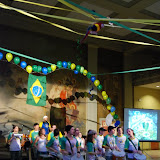
C-Function ย่อมาจาก Culture + Consumption Function เป็นกิจกรรมหนึ่งที่ทางโรงเรียนของเราจัดขึ้นทุกสัปดาห์ โดยเจ้าภาพจะหมุนเวียนกันไปในแต่ละสัปดาห์ บางประเทศที่มีกำลังทรัพย์และกำลังพลพร้อม ก็จะ organize เองเดี่ยวๆ เช่น Japanese C-Function, Korean C-Function หรือ Brazilian C-Function ส่วนชาติไหนที่ทรัพย์น้อย ก็จะจัดรวมๆ กัน เช่น European C-Function, Latin C-Function ส่วนผองเราชาวไทยมีส่วนร่วมใน ABC C-Function หรือ Asian Business Club C-Function (ที่หลายคนบอกว่าจริงๆ แล้วมันคือ Asian Born Chinses C-Function เพราะถูก dominate โดยชาวจีนโพ้นทะเล พูดอังกฤษคล่องปรื๋อ) เราโชคดีที่ได้ sponsor จาก Paleewong Trading ส่งเบียร์สิงห์มา 200 กว่าขวด กระแทกปากชาว Sloanies กันทั่วหน้า เทียบกับ Bud Light ที่มาตั้งประชันกันในงานแล้ว เบียร์สิงห์เรากินขาด ด้วยความแรงและรสชาติ ถือเป็นงานแรกที่ผองเราชาวไทยร่วมแรงร่วมใจกันทำ งานออกมาก็ดีระดับหนึ่ง แต่คาดว่าปีหน้าคงจะดีกว่านี้ (เพราะเราจะผลักให้ Sloan 09 ทำแทน อิอิ) ดูรูปด้านล่างนี้ คงพอบ่งบอกถึงความหฤหรรษ์ได้ระดับหนึ่ง

Monday, November 06, 2006
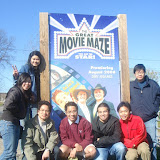
ดีใจจริงๆ มีคนมาช่วย update blog แล้ว thanks a lot นะ Joana มีรูปตอนที่(ตั้งใจว่าจะ)ไป Corn Maze มาฝาก จากกล้องใครไม่รู้จำไม่ได้ ใครเข้ามาเยี่ยมชม blog นี้ ก็ช่วยฝาก comment ไว้บ้างก็ดีนะครับ อยากให้ interactive กว่านี้หน่อย
ส่งรักส่งยิ้ม - Paradox
ส่งรักส่งยิ้ม - Paradox
Sunday, November 05, 2006

Wednesday, November 01, 2006

Saturday, October 28, 2006
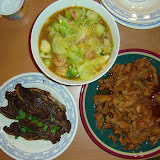
ตอนเด็กๆ เคยตกอะไรมาหลายอย่าง ไม่ว่าจะตกบันได ตกเตียง ตกหมอน สอบตกก็เคยมาแล้วหนึ่งวิชาตอนม.1 ที่ตกครั้งใหญ่ก็คือตกหลุมรัก .. (-_- ') วันเวลาล่วงเลยผ่านไป ก็ไม่ค่อยได้ตกอะไรอีก จนมาวันนี้ ได้พบความจริงบางอย่าง ว่าเรากำลังจะตก mean ที่ เอ็มไอที สะโลน สะคูน ออฟ มาเนดเม้นท์ คิดแล้วมันช่างเศร้าใจว่า ทำไมตูถึงได้อ่อนอย่างนี้ฟะ ตอนนี้เหลือ finance อีกตัวให้ลุ้น ขอแค่ on par ก็ดีใจมากหลายแล้ว คิดแล้วกลุ้ม เอาเป็นว่ามาดู vdo วันที่ไปร้องคาราโอเกะกับบรรดาเพื่อนญี่ปุ่นที่ do re me กันดีกว่า แก้เครียด (โปรดสังเกตอนาคตผู้บริหาร SCG หนึ่งท่าน ที่กำลัง dance อย่างเมามันกับเพลงของ ดาจิม 8)
Tuesday, October 24, 2006


Tuesday, October 24, 2006
Wednesday, October 18, 2006
 สอบ mid-term ผ่านไปสองวิชา มีความมั่นใจมากว่าจะตก mean จะว่าไปแล้วข้อสอบก็ไม่ได้ยากเย็นสักเท่าไหร่ แต่ขึ้นอยู่กับการบริหารเวลาและการฝึกฝน แต่ไม่เป็นไร ถึงจะพลาดคราวนี้ ก็ได้เรียนรู้ว่า weak point ของเราคืออะไร และจะต้อง focus ตรงไหน
ที่น่าสนใจกว่าวันนี้ก็คือ MIT Dean's Innovative Leader Series ที่ได้อดีต CEO ของ HP มาเล่าถึงชีวิตของเธอให้เราฟังกัน Carly Fiorina เป็น CEO ของ HP ตั้งแต่ปี 2000 - 2005 ว่ากันว่าเธอช่วยพลิกฟื้นบริษัทที่กำลังอยู่ในภาวะย่ำแย่ท่ามกลางวิกฤติเศรษฐกิจของโลกให้กลับมาแข็งแรงได้อีกครั้ง ผลงานที่สำคัญอีกอย่างของเธอ ก็คือการ merge รวม Compaq เข้ากับ HP แต่จู่ๆ ในปี 2005 ก็มีข่าวช็อคโลกว่าเธอถูกไล่ออกจากบริษัท ด้วยเหตุผลกลใดมิอาจทราบได้ แต่ที่แน่ๆ ตอนนี้เธอเขียนหนังสือออกมาเล่มหนึ่ง ชื่อว่า Tough Choices เธอย้ำให้เราฟังใน session วันนี้ว่า เธอเขียนเองทุกๆ ตัวอักษร ไม่ได้ใช้ Ghost Writer เหมือนผู้บริหารคนอื่นๆ แต่อย่างใด (นึกว่ามีแต่ดาราไทยที่ชอบใช้ Ghost Writer ซะอีก) เบื้องหลังของ Fiorina นั้นน่าสนใจมาก เธอเรียน Medieval History และ Philosophy จาก Standford แต่รู้ตัวว่า degree นี้มันไม่สามารถ "pay the bill" เธอเลยมองหาอาชีพใหม่ เลยไปเข้าเรียน Law School ที่ UCLA แต่ก็มารู้ตัวทีหลังอีกว่าเธอเกลียดกฎหมาย คราวนี้เลยหันมาเรียน MBA ที่ University of Marlyland แทน จากนั้นเธอ ก็ได้มีโอกาสมาเข้าร่วม Sloan Fellow Program ที่ Sloan เธอบอกว่าช่วงนี้เป็นจุดเปลี่ยนของชีวิต เพราะเธอเคยคิดมาก่อนว่าเธอจะเป็น CEO ได้ แต่ที่ Sloan เธอได้พบกับ CEO มากหน้าหลายตา หลายคนเก่งจริง พูดจามีเหตุผล แต่หลายคนก็ห่วยแตก จนเธอบอกว่า ถ้าไม่เจอหน้ากันอีกก็คงจะดี
Fiorina เริ่มชีวิตการทำงานด้วยการเป็นเลขานุการ โดยบรรยายงานของเธอในแต่ละวันว่า มีแต่พิมพ์ดีดกับรับโทรศัพท์ จนกระทั่งมีคนมาชักชวนให้ไปทำงานที่เกี่ยวข้องกับ business เธอก็เริ่มค้นพบสิ่งที่ตัวเองอยากทำ เธอเข้าทำงานกับ AT&T ในฐานะ management trainee และก้าวขึ้นสู่ตำแหน่ง Vice President โดยทำงานให้กับ Lucent Technologies บริษัทลูกที่แยกตัวมาจาก AT&T เป็นตำแหน่งสุดท้ายก่อนที่จะมาทำงานที่ HP
ปรัชญาการบริหารของ Fiorina หลักๆ นั้นมุ่งไปที่การบริหารคน เธอบอกว่าเรื่องตัวเลข บัญชี การผลิต การขาย นั้นเป็น fundamental ที่ทุกบริษัทต้องให้ความสำคัญอยู่แล้ว แต่จุดที่จะทำให้ differentiate หรือสร้าง competitive advantage จริงๆ นั่นก็คือคน เธอกล่าวประโยคเด็ดไว้ว่า "people are people, whereever they are" จะหมายความว่าอะไร ก็แล้วแต่ที่จะตีความกันเอาเอง แต่อยากให้ซึ้งคงต้องอ่านหนังสือของเธอ (ซึ่งผมยังไม่ได้อ่าน หากได้อ่านแล้วจะมาเล่าสู่กันฟังต่อไป)
สิ่งที่เธอเน้นให้เราฟังวันนี้อีกอย่างก็คือ เธอเห็นว่า management นั้นสำคัญ แต่ management ไม่ใช่ leadership คนที่ภาวะผู้นำสูงๆ ต้องสามารถตัดสินใจใจภาวะคับขัน และสามารถนำพาบริษัทผ่านการเปลี่ยนแปลงไปให้ได้ มนุษย์ทุกคนเหมือนกัน คือ มีแน้วโน้มที่จะต่อต้านการเปลี่ยนแปลง เป็นหน้าที่ของผู้นำที่จะสื่อสารทำความเข้าใจกับทุกคนในองค์กรให้รับรู้ ยอมรับการเปลี่ยนแปลงให้ได้ สิ่งที่ผู้นำหรือผู้บริหารแบกไว้บนบ่านั้นเป็นภาระที่หนักอึ้ง ใครที่คิดจะเติบโตเป็นผู้บริหารต้องเตรียมใจรับความจริงข้อนี้ไว้ให้ดี จบจากการบรรยายแล้ว พวกเราชาว sloanies ก็ไปยืนต่อแถวให้เธอเซ็นลายเซ็นให้ Fiorina ยิ้มแย้มแจ่มใสและดูเป็นมิตร ผิดกับท่าทางบนเวทีที่เธอดูจริงจัง และดูเป็นมืออาชีพมากๆ The Dean's Innovative Leader Series คราวหน้า ได้ Daniel Hesse CEO ของ Embarq Corporation มาบรรยาย จริงๆ แล้วผมก็ไม่รู้จักเหมือนกันว่าเขาเป็นใคร แต่ก็ว่าจะลองไปเข้าดู หวังว่าจะได้มุมมองอะไรใหม่ๆ มาใส่ในสมองอันว่างเปล่าได้บ้าง
Sunday, October 15, 2006
วันนี้หลงรัก MIT เพิ่มขึ้นอีกล้านเท่า หลังจากนั่งอ่านหนังสือเตรียมสอบหลังขดหลังแข็ง ได้เดินออกไปยืดเส้นยืดสายที่ Lewis Music Library แล้วค้นพบว่า นักเรียน Sloan ก็สามารถยืม CD ในห้องสมุดกลับไปฟังที่บ้านได้ เลยถือโอกาสประเดิมด้วยการยืม Andre Segovia, Music of Fernando Sor และ Belle and Sebastian มา 5 แผ่นเต็มโควต้า เดินออกมานอกห้องสมุด ใบไม้ใน campus ก็เริ่มเปลี่ยนสีบ้างแล้ว มีให้เห็นทั้งม่วง ส้ม แดง คาดว่าไม่นานนี้คงเปลี่ยนสีกันหมด จะรอดูว่าจะงามอย่างที่คาดหวังไว้หรือเปล่า แต่ที่แน่ๆ ตอนนี้อุณหภูมิลดลงอย่างต่อเนื่อง คาดว่าคงจะหนาวตายในไม่ช้า
ลมหนาว - ลูกตาล
ลมหนาว - ลูกตาล
Monday, October 09, 2006
กลับมาเยี่ยมเยียน New York เป็นครั้งที่สามแล้ว คราวนี้ New York สดใสไร้เมฆฝน อากาศเย็นกำลังดี เหมาะกับการเดินเล่นเตร็ดเตร่ พวกเราบรรดาเหล่า Thaisloanies + Ton Northeastern เริ่มต้นวันแรกด้วยการ shopping เตรียมรับฤดูหนาวที่ Woodberry เสียตังค์กันไปหายอยาก คงต้องอดข้าวไปอีกหลายมื้อ วันที่สอง ยังไม่สะใจ ไปเดิน shopping ที่ fifth avenue ต่ออีกรอบ เรียกว่า trip นี้เป็น trip สำหรับ shopping และ eating จริงๆ (แต่สำหรับพี่เอ trip นี้ eating เพียวๆ)
ด้านล่างนี้เป็นรูปจาก trip New York ครั้งที่แล้ว เผอิญลืม post ครับ ..
New York City Boy - Pet Shop Boys

ด้านล่างนี้เป็นรูปจาก trip New York ครั้งที่แล้ว เผอิญลืม post ครับ ..

New York City Boy - Pet Shop Boys
Tuesday, October 03, 2006
สำหรับพี่น้องทุกคนที่กำลังเหนื่อยล้า อ่อนแรงกับการเรียนหนังสือ (และสื่อสารกับฝรั่ง)พักผ่อนกันบ้างนะครับ
หลับสักพัก - บีม จารุวรรณ
หลับสักพัก - บีม จารุวรรณ
Subscribe to:
Posts (Atom)
